



Introduction to Weight Management
Welcome to the vibrant world of weight management - where balancing energy intake and expenditure can feel like a dance! Wondering if you’ve found your groove? Check out the handy BMI (Body Mass Index) Chart below. But remember, we’re so much more than just numbers on a scale! Weight management is about feeling fantastic, healthy and strong - not skinny! So, let’s explore some evidence-based strategies that are not only effective but also enjoyable. Grab your mental notepad and get ready for an enlightening journey that’s helpful as it is informative!
Body Mass Index (BMI) Chart
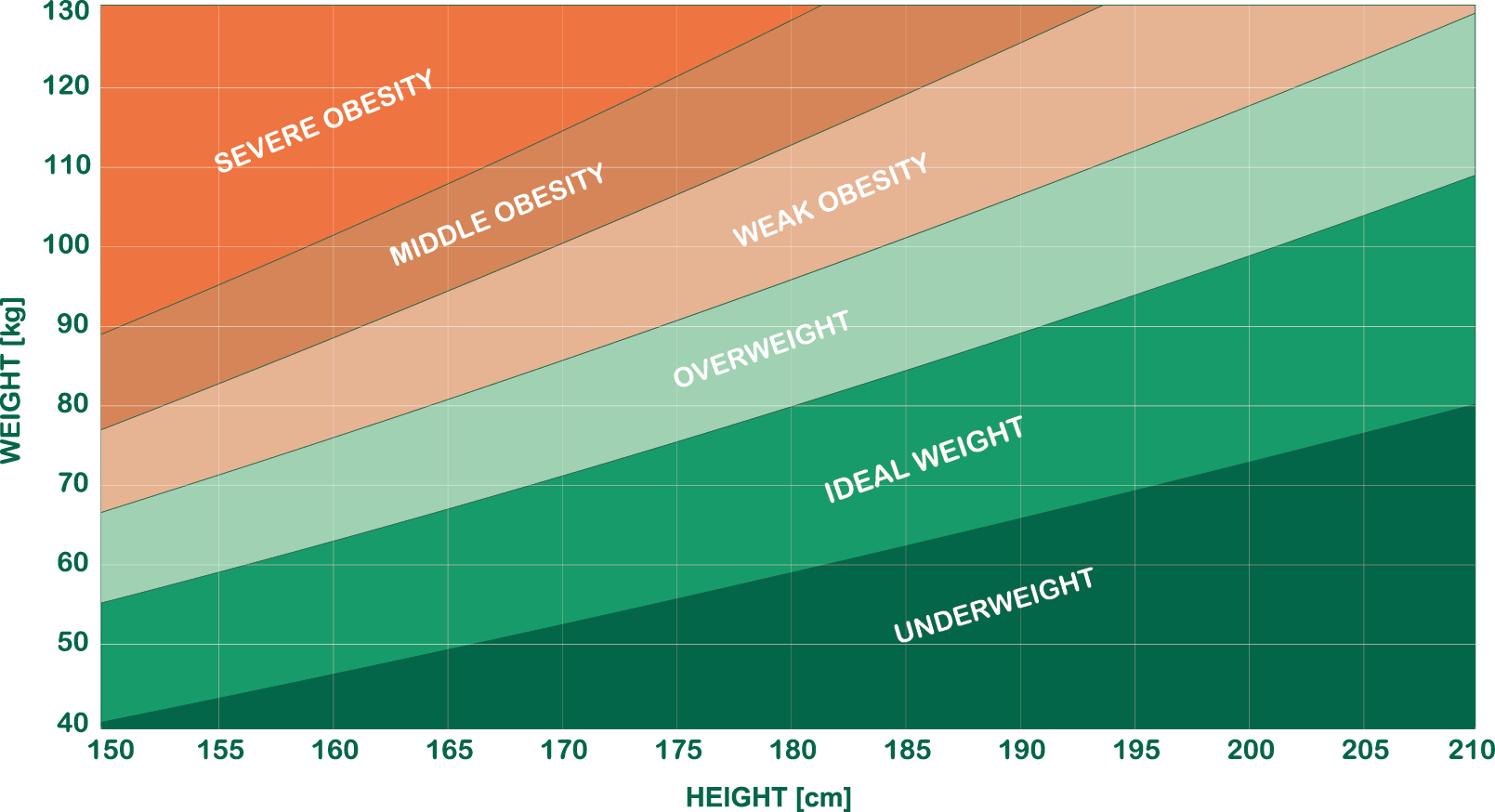
Just a quick note: The BMI Chart is not a one-size-fits-all index, especially for those under 18, pregnant, or dealing with unique health conditions. Please check in with a healthcare professional if you need support.
The Importance of Nutrition
Nutrition is the bedrock of weight management. Think of it as the VIP pass to a healthier you. A diet brimming with whole foods - fruits, vegetables, lean proteins and whole grains fuels your body and revs up your metabolism (1). Want to know a secret? The more colours on your plate, the better each hue represents a treasure trove of nutrients (2). Aim for at least five servings of fruits and veggies daily, and you’ll be on your way to a vibrant, healthy life. Meal prepping? Yes, please! It’s the secret weapon to dodge those pesky last-minute fast-food temptations. Quality over quantity, my friend!
Nutrients Supporting Weight Management
Proteins: High-protein foods can enhance feelings of fullness and reduce appetite. Sources include lean meats, fish, eggs, legumes and dairy products. Protein also supports muscle maintenance during weight loss.
Fibre: Foods rich in fibre help to promote satiety and regulate digestion. Soluble fibre, found in oats, beans and fruits, can help reduce appetite and improve metabolic health.
Healthy Fats: Incorporating healthy, polyunsaturated fats, such as those from flaxseed, walnuts and salmon, can aid in feeling full and satisfied. These fats support the endocrine (hormone) system (3), which is crucial for weight management.
Complex Carbohydrates: Whole grains like oats and brown rice, vegetables and legumes, think chickpeas and lentils, provide energy while being rich in nutrients and fibre. Being slow to breakdown, they help stabilise blood sugar levels, which can reduce cravings and overeating.
Vitamins and Minerals: Micronutrients like magnesium, zinc and vitamins D and B12 play roles in metabolism and overall health. Low levels can lead to weight gain or hinder your weight loss journey. A healthy, balanced diet will cover your needs; however, a comprehensive multivitamin is a good bolt-on to cover any nutrient gaps. If you're on the hunt for some extra support, skip the so-called "natural" diet pills - opt for supplements packed with ingredients that have science on their side. Check out our selection of customer-approved products and let us help you on your weight loss journey.
Weight Management Supplements: Supplement solutions are an excellent addition to a weight loss journey, providing they are backed by scientific studies. Our Weight Management with Metabolaid® [link to 117 PDP] can be considered a reliable GPS for your weight management journey, guiding you smoothly toward your goals. With a perfect blend of natural wisdom and solid scientific research, Weight Management with Metabolaid® empowers you to tackle your weight goals with confidence and ease without the side effects of some other weight management solutions.
Healthy Snacking Tips: Snack attack! But fear not, for healthy snacking can be your ally in the battle against overeating. Combine protein and fibre - think protein rich Greek yogurt with berries or a handful of nuts (4). These power-packed options will keep your energy soaring and cravings at bay. Pre-portion those snacks for convenience and a way to stick to the amount you need to stay focused and keep your energy levels up.
Staying Active in Daily Life
Let’s talk movement: incorporating physical activity into your daily life is non-negotiable for weight management (5). The minimum suggested is 150 minutes of moderate aerobic activity each week - yes, that's just 21 minutes a day! If you can do more, all power to you! Take the stairs, walk during lunch, or dance like nobody’s watching; it all counts. Oh, and here’s a juicy titbit: short bursts of activity can turbocharge your metabolism – try jumping on the spot or a short jog. Gardening? Playing with the kids? That’s exercise too! It doesn’t have to be sweaty gyms and marathons. Find what makes your heart sing and make it a regular part of your fabulous routine. Consistency is your new best friend. Hydration and Weight Management
Water is nature’s elixir helping you to stay hydrated; vital for your weight management journey (6). It helps maintain energy levels and digestion. Try having a glass or water with your food, as you may find it helps you feel fuller. Aim for at least eight glasses daily. And don’t forget those hydrating foods - cucumbers and oranges, anyone? They’re deliciously refreshing and packed with nutrients.The Role of Sleep
Sleep, dear friend, is the unsung hero of meeting slimming goals. Without it, your hormones are in disarray. Aim for 7-9 hours of quality sleep; it’s not just a luxury, it’s a necessity. Create a soothing bedtime routine - think dim lighting and calming herbal teas. Limit screen time and stick to unwinding with a paperback or listen to soothing sounds. Research suggests that sleep deprivation can wreak havoc on your metabolism (7). Prioritise your Z’s, and you’ll wake up feeling like a superhero, ready to conquer the day with energy to spare.Mindful Eating Practices
Mindful eating - it’s not just a buzzword; it’s a game-changer! Slow down, savour each bite, and tune into your body’s signals (8). This practice can prevent overeating and enhance your enjoyment of food. Ditch the distractions - no scrolling through social media while munching! Focus on the flavours and textures instead.Recent Trends in Weight Management
Let’s dish on the latest trends in weight management, shall we? Intermittent fasting and plant-based diets are all the rage, and for good reason. For some people, intermittent fasting might complement their routine, to support blood sugar regulation and fat loss, while plant-based diets are jam-packed with nutrient-dense goodness. But let’s not kid ourselves - success comes down to finding what suits your lifestyle (9). Tech is also shaking things up; tracking apps and wearables make it easier to keep tabs on your intake and activity levels. Just remember, consult a healthcare professional before diving headfirst into any drastic changes. Safety first, friend!What is all the Noise Around GLP-1?
GLP-1, or glucagon-like peptide-1, is the hormone everyone’s buzzing about in the weight loss world. Secreted by the intestines after you chow down, GLP-1 supports insulin secretion, inhibits glucagon (a hormone that causes blood sugar levels to rise), and slows gastric emptying - essentially helping you feel full and satisfied after meals. GLP-1 receptor agonists are making waves as injectable weight loss solutions. This route is not for everyone; there is specific criteria for eligibility for these medications, and this route isn’t for everyone, so if you have any queries or concerns, speak with your healthcare providerBuilding a Support System
A solid support system can elevate your weight management journey to new heights. Surround yourself with like-minded folks who share your goals (10). Sharing experiences, challenges, and victories can bolster motivation and accountability. Consider joining community fitness classes or online forums - because who doesn’t love a bit of camaraderie on this adventure?Setting Realistic Goals
Let’s get real about goal setting. Forget pie-in-the-sky aspirations; we’re talking SMART goals here - Specific, Measurable, Attainable, Relevant and Time-bound (11). Instead of chasing after quick fixes, focus on gradual changes. Celebrate those small victories, whether it’s finishing a week of workouts or mastering a new healthy recipe. Keep a journal to track your progress and reveal patterns in your eating and activity levels. Remember, this isn’t a race; it’s a journey. Be kind to yourself, adjust your goals as needed, and stay committed to the fabulous, healthier you that’s waiting to shine!Incorporating Exercise into Your Routine
Let’s face it - finding time for exercise can be tricky. But fear not! Incorporate movement into your routine like it’s the main event (12). Schedule workouts like appointments, invite your friend or partner along and explore activities that make your heart happy, like dancing, hiking, or even a spirited game of tag. Every little bit counts!Celebrating Progress and Staying Motivated
Celebrating progress - this is where the magic happens! No victory is too small, so keep track of your milestones, whether it’s improved stamina or those jeans fitting just right (13). Reward yourself with non-food treats, like a spa treatment, a bunch of flowers or a new book, because you deserve it! Surround yourself with motivational quotes and images that inspire you to keep pushing forward. Join community challenges or online groups for an extra boost of accountability and support. Remember, setbacks happen; what matters is getting back on the horse. Focus on your long-term health, and the results will follow.Further Support
Seek guidance from the experts such as your healthcare provider, or our Nutrition Advice Team if you want to talk nutrition. You can join local programs or dive into reputable online resources. Books, apps and community workshops are goldmines of information and motivation. Remember, you’re not alone on this path to becoming your best self!References:
- Healthy diet (no date) World Health Organization. Available at: https://www.who.int/news-room/fact-sheets/detail/healthy-diet (Accessed: 19 November 2025).
- Katherine D. McManus, M. (2019) Phytonutrients: Paint your plate with the colors of the rainbow, Harvard Health. Available at: https://www.health.harvard.edu/blog/phytonutrients-paint-your-plate-with-the-colors-of-the-rainbow-2019042516501 (Accessed: 19 November 2025).
- SJ;, B. (no date) Relationship between fatty acids and the endocrine and neuroendocrine system, Nutritional neuroscience. Available at: https://pubmed.ncbi.nlm.nih.gov/16910164/ (Accessed: 19 November 2025).
- (No date) Snacking. Available at: https://www.heartuk.org.uk/step-4-eat-and-live-smart/cholesterol-smart-snacking (Accessed: 19 November 2025).
- Cox, C.E. (2017) Role of physical activity for weight loss and weight maintenance, Diabetes spectrum : a publication of the American Diabetes Association. Available at: https://pmc.ncbi.nlm.nih.gov/articles/PMC5556592/ (Accessed: 19 November 2025).
- Thornton, S.N. (2016) Increased hydration can be associated with weight loss, Frontiers in nutrition. Available at: https://pmc.ncbi.nlm.nih.gov/articles/PMC4901052/ (Accessed: 19 November 2025).
- Papatriantafyllou, E. et al. (2022) Sleep deprivation: Effects on weight loss and weight loss maintenance, Nutrients. Available at: https://pmc.ncbi.nlm.nih.gov/articles/PMC9031614/ (Accessed: 19 November 2025).
- Morillo-Sarto, H. et al. (2023) ‘mindful eating’ for reducing emotional eating in patients with overweight or obesity in primary care settings: A randomized controlled trial, European eating disorders review : the journal of the Eating Disorders Association. Available at: https://pmc.ncbi.nlm.nih.gov/articles/PMC10100015/ (Accessed: 19 November 2025).
- Welton, S. et al. (2020) Intermittent fasting and weight loss: Systematic Review, Canadian family physician Medecin de famille canadien. Available at: https://pmc.ncbi.nlm.nih.gov/articles/PMC7021351/ (Accessed: 19 November 2025).
- Leahey, T.M. et al. (2012) Teammates and social influence affect weight loss outcomes in a team-based weight loss competition, Obesity (Silver Spring, Md.). Available at: https://pmc.ncbi.nlm.nih.gov/articles/PMC3676749/ (Accessed: 19 November 2025).
- Wren, G.M. et al. (2023) The association between goal setting and weight loss: Prospective analysis of a community weight loss program, Journal of medical Internet research. Available at: https://pmc.ncbi.nlm.nih.gov/articles/PMC10357317/ (Accessed: 19 November 2025).
- Chika Anekwe, M. (2022) Exercise, metabolism, and weight: New research from the biggest loser, Harvard Health. Available at: https://www.health.harvard.edu/blog/exercise-metabolism-and-weight-new-research-from-the-biggest-loser-202201272676 (Accessed: 19 November 2025).
- Wang, W. et al. (2017) Achievement goals and life satisfaction: The mediating role of perception of successful agency and the moderating role of emotion reappraisal - psicologia: Reflexão e Crítica, SpringerOpen. Available at: https://prc.springeropen.com/articles/10.1186/s41155-017-0078-4 (Accessed: 19 November 2025).
Explore more: